español
In 2006 Evo Morales wins the presidential elections as the first indigenous president in the history of Bolivia. The most important promises of the new government were the nationalization of the natural resources and the recognition of the indigenous people rights, after 500 years under colonization. The Movement Towards Socialism fulfils major social changes and improvements, which the oppressed people just dreamed about for centuries until now.
Our film is a story about the first steps of a new time with leftist indigenous in the power. How is it now when Bolivia has gone forward on the revolutionary road? Has there been a truly improvement in the indigenous peoples lives? And how does the future look like?
We are a team of film professionals, working within Inland Film Company: Bolivian producer and director Jussi Oroza, known for his worldwide renown and awarded last documentary production “Voices of El Alto” (competition IDFA 2013); producer Sami Laitinen, known for his last feature film still in the movie theatres “Changes”, script writer Hanna Apajalahti, a journalist and expert in Latin America; production assistant Anna Recasens, with a wide experience in film production coordination, including one of the last documentaries of Peter von Bagh.
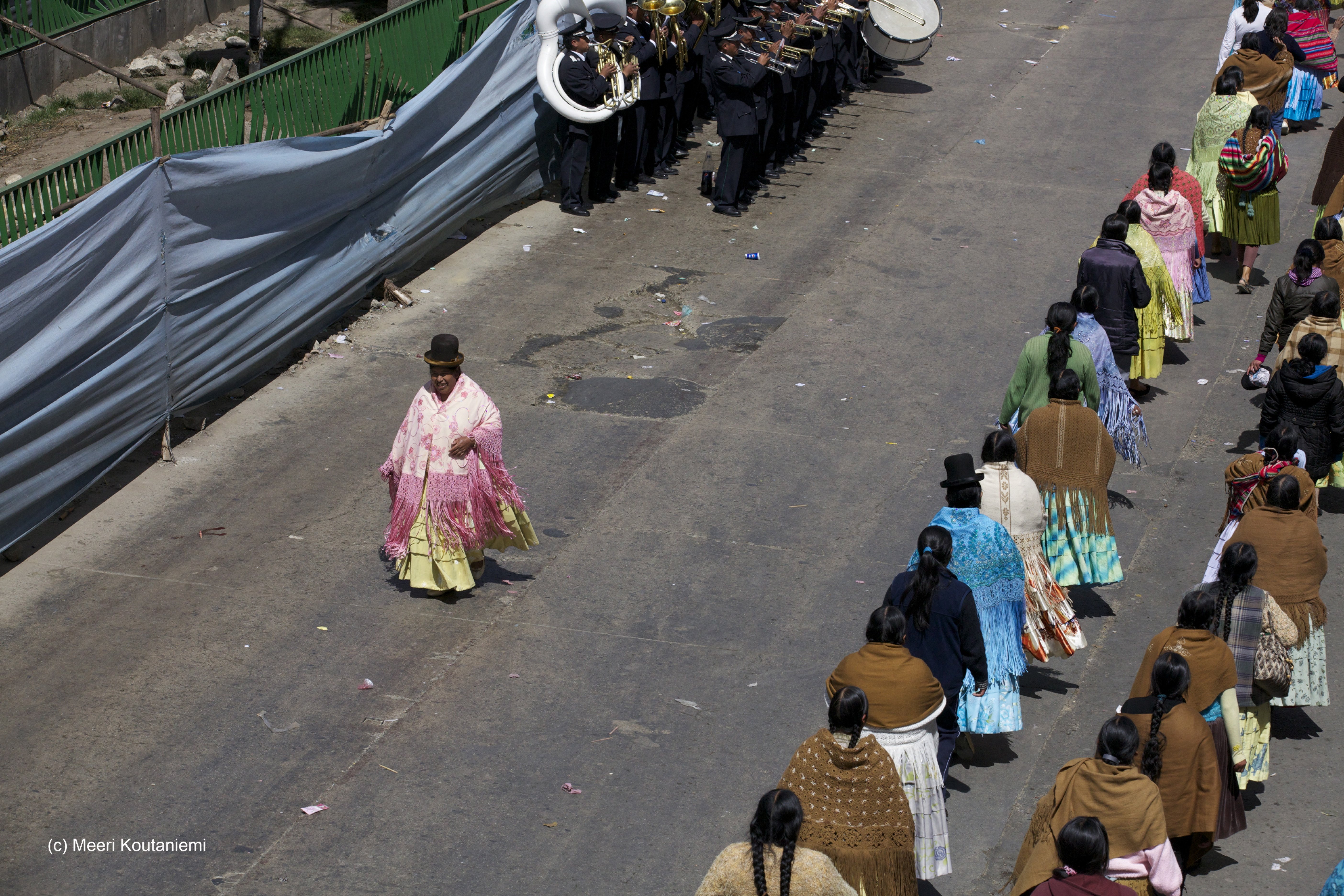
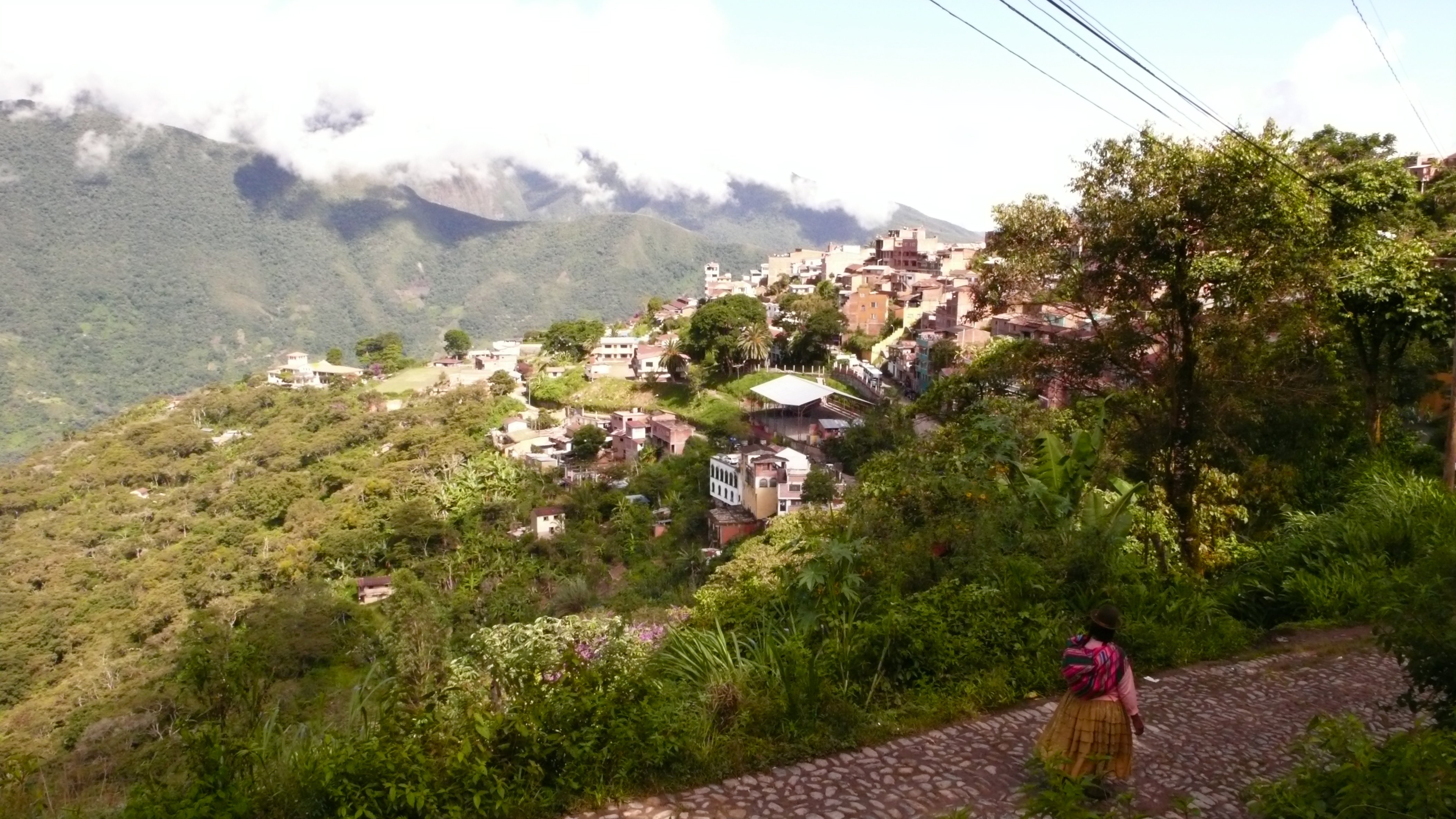
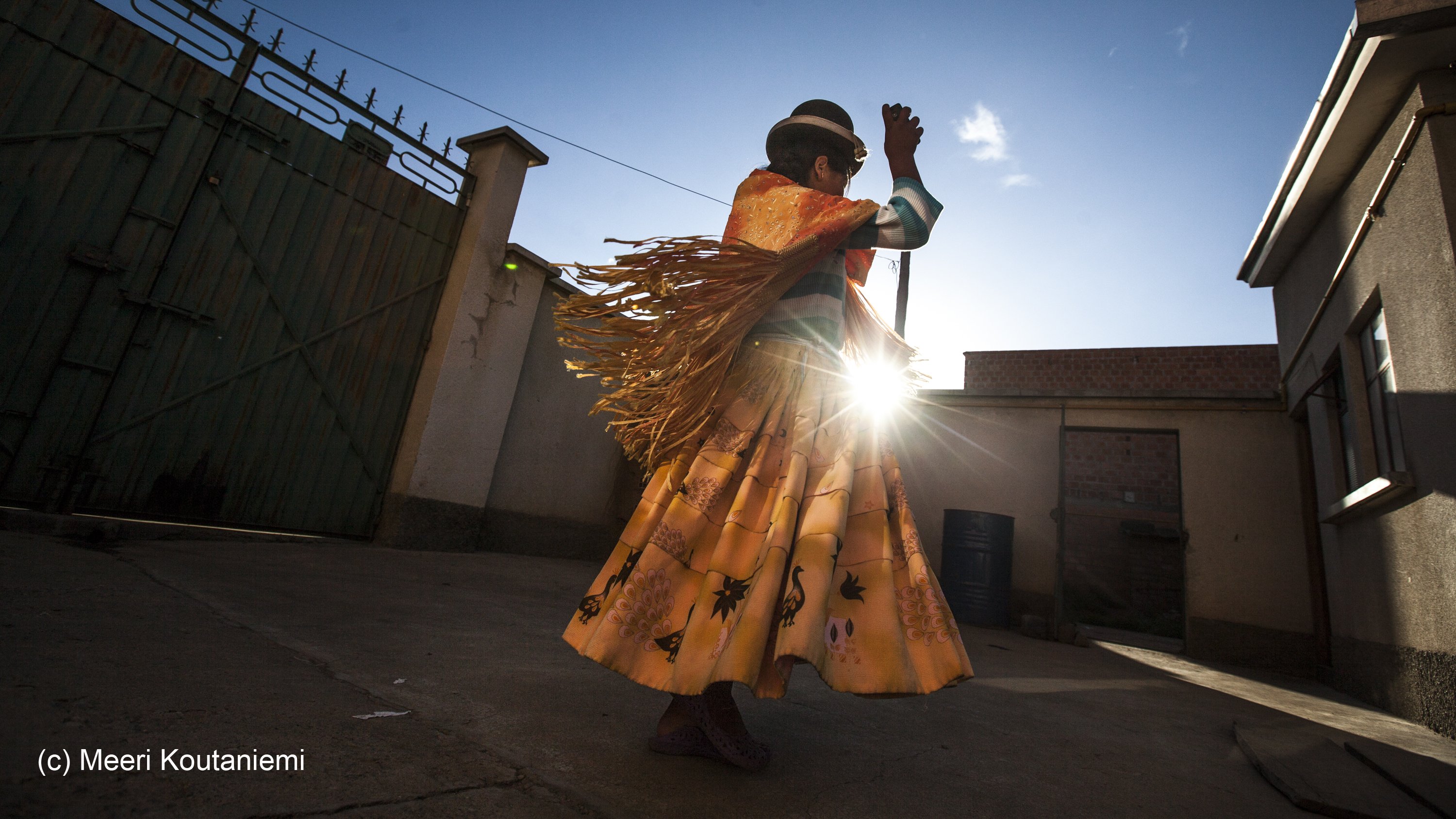
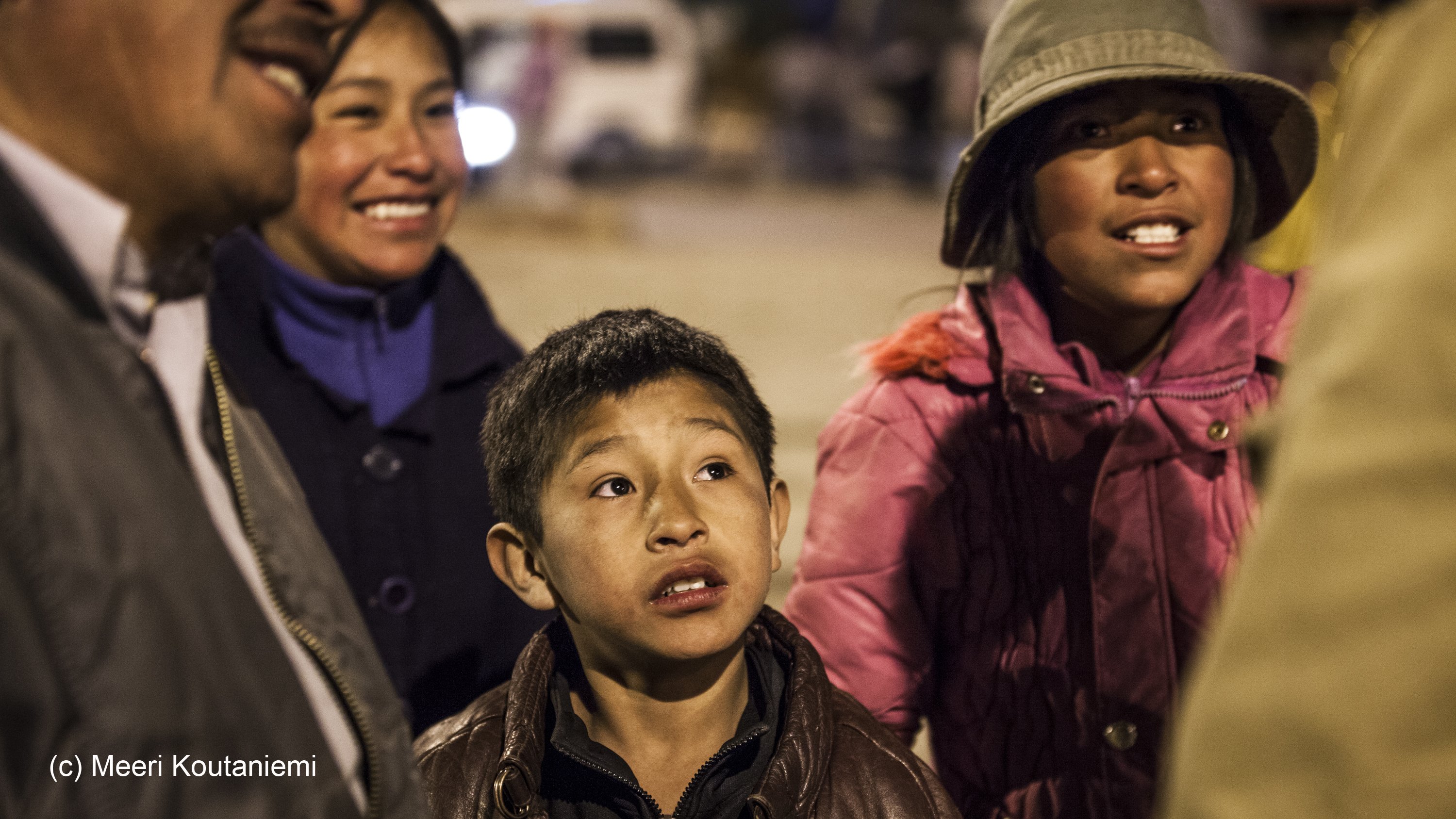
The audience of this film will join the way of the new revolutionary time. We will see the concrete changes in the people lives, and the role that Bolivian women take in it. Also we will hear what remains of Che Guevara in the story. We will take a path crossing the moisture jungle and salt flat, the marketplaces of the cities and the coca fields, which are part of the millennium Indigenous culture and indeed coca leave is not cocaine.
The nature of Bolivia becomes one main character: the Andean scenery, the lake Titicaca, Amazonia and the birds of the jungle, the sound of the wind, the colour-scheme of the rain and the landscape. Also, the colours in textiles, fruits, the sun, Bolivian folk- and popular music, voices in the city, songs of women, drums, pipes and horns of the bands.
Almost half of the world’s lithium is found in Bolivia. In the law, Pachamama (Mother Earth) has the same rights as people and Evo Morales is fighting against climate change. How to combine the economical interests, like mining, with those rights?
Why this film needs to be made now?
In the 2014 elections Evo Morales won the presidency for the third time with the 61% of the votes. The celebration of the revolutionary decade will take place in January 2016. Furthermore the director Jussi Oroza has been following with his camera the Bolivian political scene since 1993, establishing close relationships with the old and the new government.
Latin America is going through changing times. The leftist movements are leading the fight against the global neo-liberalism. This film has hope and trusts in democratic power: another kind of world is possible. Europe is in a crisis in many ways, now it could be good for people to see how things are handled in the New World.
Production plan
The shooting of the film will be divided in two times. In the autumn of 2015 our small, but effective team will travel to Bolivia for ten days: camera operator, director and sound designer. They will spend time in villages and cities, to film the daily life of the locals and to find and get to know well the main characters of the film.
The second part will take place in January 2015, counting on a larger film crew and bigger technical equipment. We are going to follow the lives of the chosen characters. We will arrange interviews with ministers, the president of Bolivia and other politicians. Also we will include the voices of older and actual Bolivian politicians.
In this new democratic Bolivia, also there are people against the power, who criticise the practices of the actual government. Those voices need to be heard as well. In addition, we will get access to archive documents and journalistic material. Therefore we will co-work with local Bolivian press. In 2006-2008 our team got to follow the reception of the president too.
Budget
The minimum of funding that we expect is 20.000 Euros, as it follows.
20 000€:
Small-scale crew, TV-report style. This means 2 people team (Jussi Oroza and Sami Laitinen), taking the different roles: director, producer, camera operator, sound designer and editor.
60 000€ (or more):
Production crew three times bigger. 50% more of the total days of shooting. More soundtrack and archive footage. More shooting of landscape and character’s stories. High artistic quality of the documentary film, in order to submit it to film festivals.
We are aiming for more funding from other sources to achieve our goal. Join us!
El manual para la revolución
El manual para la revolución es un largo-documental sobre la revolución indígena de Bolivia, Evo Morales, Pachamama, Indios y gringos. Cuando el pueblo dice: ¡Ya basta!
En 2006 Evo Morales fue elegido democráticamente como primer presidente indígena en la historia de Bolivia. Las primordiales promesas del nuevo gobierno fueron la nacionalización de los recursos naturales y el reconocimiento de los derechos de los indígenas, después de haber estado colonizados durante 500 años. El Movimiento al Socialismo consiguió enormes cambios sociales y mejoras, convirtiéndose en un sueño hecho realidad para los que han sido oprimidos hasta el momento.
Nuestro documental cuenta la historia sobre los primeros pasos hacia una nueva era de indígenas izquierdistas en el poder. ¿Cuál es la situación ahora, cuando Bolivia ya lleva una década de revolución?¿ Cuáles han sido las verdaderas mejoras en la vida indígena? ¿Cómo se presenta el futuro?
Somos un colectivo de profesionales del cine trabajando en colaboración con Inland Film Company: el productor y director boliviano Jussi Oroza, conocido por su última internacionalmente reconocida en IDFA 2013 y premiada producción documental “Voces de El Alto”, además de ; el productor Sami Laitinen, cineasta conocido por su último largometraje estrenado en los cines “Muutoksii”; la guionista Hanna Apajalahti, periodista y experta en Lationamerica; y la asistenta de producción Anna Recasens, con variada experiencia en coordinación de producción cinematográfica, incluyendo una de las últimas obras de Peter von Bagh.
El espectador se encuentra en el mismo camino de esta revolucionaria nueva era. Observaremos los cambios concretos en la vida de estas gentes y la participación de las mujeres bolivianas en la causa. También escuchamos el rol de Che Guevara en esta historia. Viajaremos a través de la selva, salares, mercados de la ciudad, ya también los emblemáticos campos de coca, símbolo milenario de la cultura indígena, distinta a la cocaína narcótica.
La naturaleza de Bolivia toma un rol especial: el paisaje andino, el lago Titicaca, el Amazonas y sus pájaros, el sonido del viento, la lluvia, etc. También nuestra cámara captará los colores de los tejidos, las frutas, el sol, la música popular, las voces de la ciudad, el canto de las mujeres, los tambores de las orquestras, de las flautas y las trompas.
En Bolivia se encuentran los salares de litio más grandes del mundo. En la nueva ley, Pachamama (Madre Tierra) recibe los mismos derechos humanos que la población boliviana, además Evo Morales intenta combatir el alarmante cambio climático. Pero, ¿cómo es posible combinar esta dimensión del Pachamama con los intereses económicos de la explotación minera en Bolivia?
Por qué se debe realizar este documental ahora?
En el año 2014 Evo Morales ganó las elecciones por tercera vez con un 61% de los votos, tomando su presidencia en enero del 2015. La celebración de los diez años de revolución tendrán lugar en Bolivia en enero del 2016. Además, el director Jussi Oroza lleva filmando los movimientos políticos de Bolivia desde 1993, y mantiene cercanas relaciones con el viejo y el nuevo poder boliviano.
América Latina pasa por una era de cambios. Los movimientos de izquierda toman la lucha en contra del neo-liberalismo global. Esta película confía en el poder de la democracia: otro distinto mundo es posible. Ahora Europa está viviendo una crisis, es momento de observar como se tratan las cosas en este nuevo mundo.
Plan de producción
El documental se filmará en dos partes. En otoño del 2015, nuestro reducido pero eficaz equipo de rodaje viajará a Bolivia durante 10 días: cinematógrafo, director y sonidista. Filmarán el día a día de pueblos y ciudades, para encontrar a los protagonistas del documental y sus historias.
La segunda parte del rodaje tendrá lugar en enero del 2016, con un equipo de rodaje y de producción mayor. Continuaremos filmando las historias de los personajes que seleccionamos en el primer rodaje. También planeamos hacer entrevistas a ministros, al mismo presiente y otros políticos. Además entablaremos amistad con políticos bolivianos actuales y ya retirados para conocer su punto de vista.
En la Bolivia democrática también existen detractores del poder que critican al gobierne actual y sus prácticas. Por lo cual esta voz debe ser escuchada. Además nos documentaremos con material de archivo, tanto histórico como periodístico. También trabajamos en cooperación con la prensa local boliviana. Entre 2006 y 2008 ya tenemos filmaciones de la época en que tuvo lugar la recepción del presidente al poder.
Presupuesto
La financiación mínima a la que aspiramos es de 20.000 euros.
20 000€:
Rodaje limitado, estilo TV- reportaje. Eso significa que dos profesionales (Jussi Oroza y Sami Laitinen) se reparten los roles de director, cinematógrafo, sonidista, editor y productor.
60 000€ (o más):
Tres veces más grande el equipo de producción descrito anteriormente. Un 50% más del total de los días de rodaje. Más banda sonora y material de archivo con derechos. Mucho más material de seguimiento y escenarios. Calidad artística elevada, propia de documental apto para participar en festivales de cine.
Además se busca financiación de otras fuentes para asegurar nuestra meta. Únete a la causa!