Tag: documentary

  • The Manual for Revolution – Documentary film

    The Manual for Revolution – Documentary film


    español

    In 2006 Evo Morales wins the presidential elections as the first indigenous president in the history of Bolivia. The most important promises of the new government were the nationalization of the natural resources and the recognition of the indigenous people rights, after 500 years under colonization. The Movement Towards Socialism fulfils major social changes and improvements, which the oppressed people just dreamed about for centuries until now.

    Our film is a story about the first steps of a new time with leftist indigenous in the power. How is it now when Bolivia has gone forward on the revolutionary road? Has there been a truly improvement in the indigenous peoples lives?  And how does the future look like?

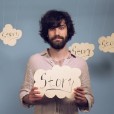
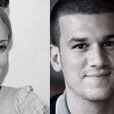
    We are a team of film professionals, working within Inland Film Company: Bolivian producer and director Jussi Oroza, known for his worldwide renown and awarded last documentary production “Voices of El Alto” (competition IDFA 2013); producer Sami Laitinen, known for his last feature film still in the movie theatres “Changes”, script writer Hanna Apajalahti, a journalist and expert in Latin America; production assistant Anna Recasens, with a wide experience in film production coordination, including one of the last documentaries of Peter von Bagh.
    kuva 1

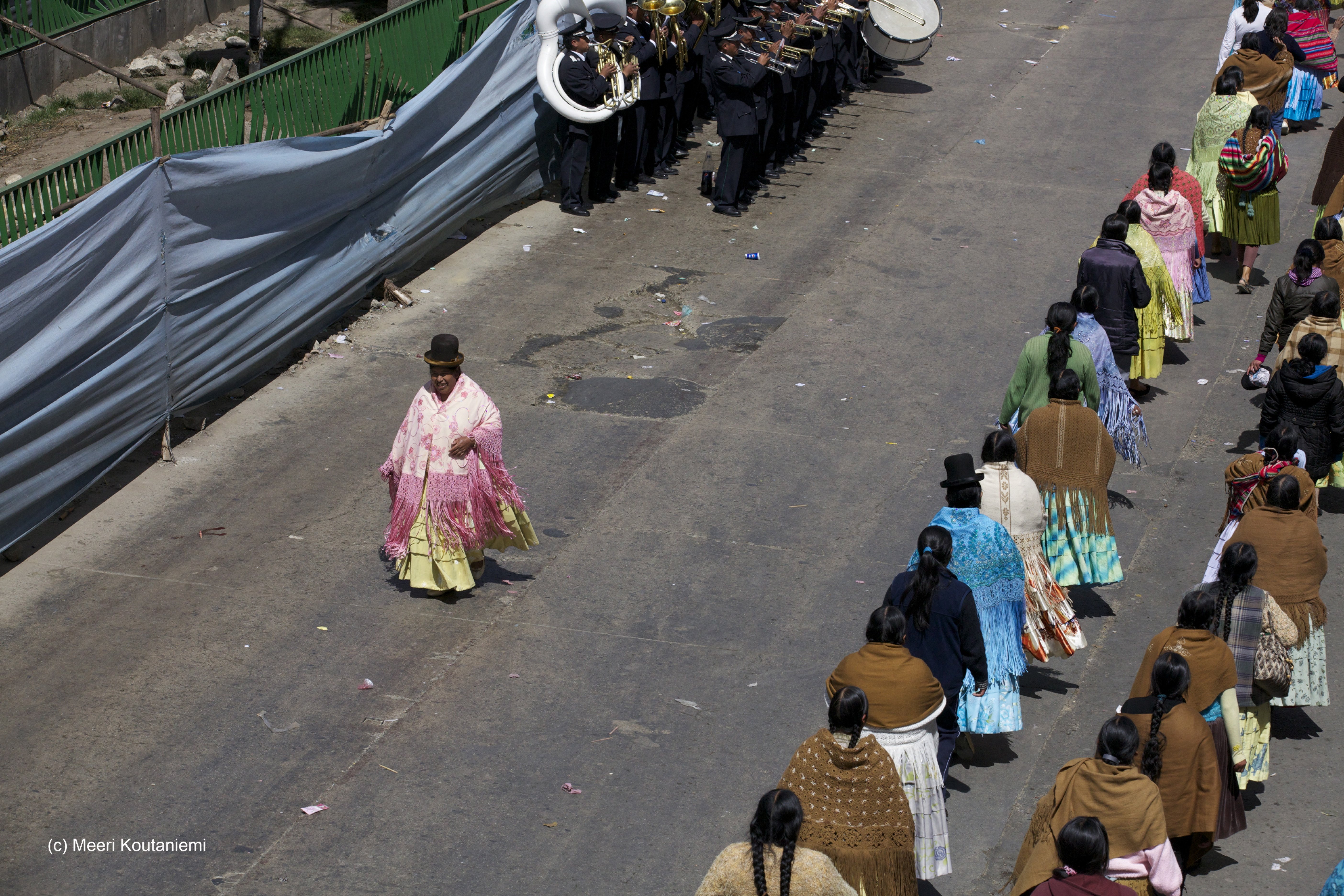
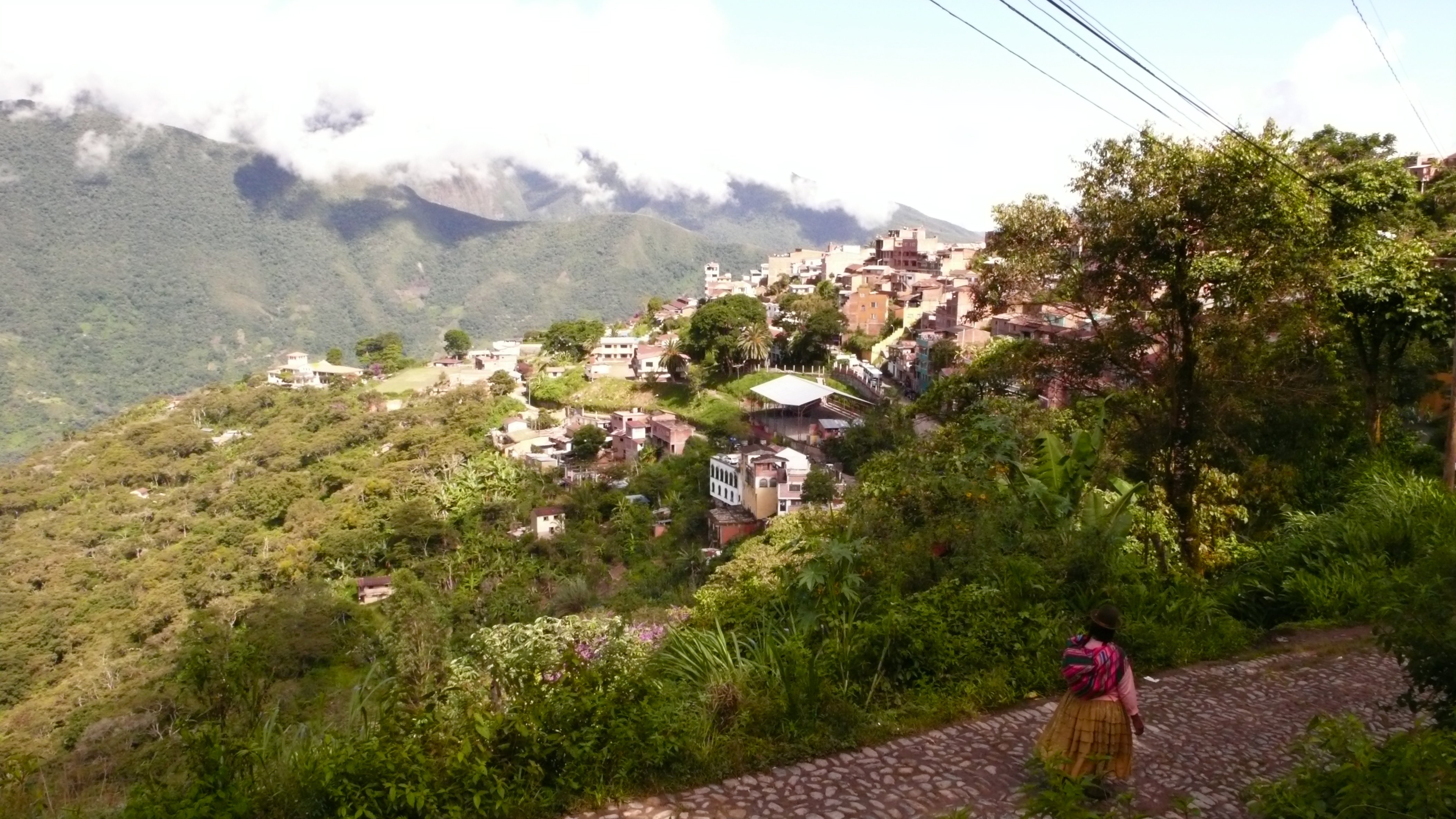
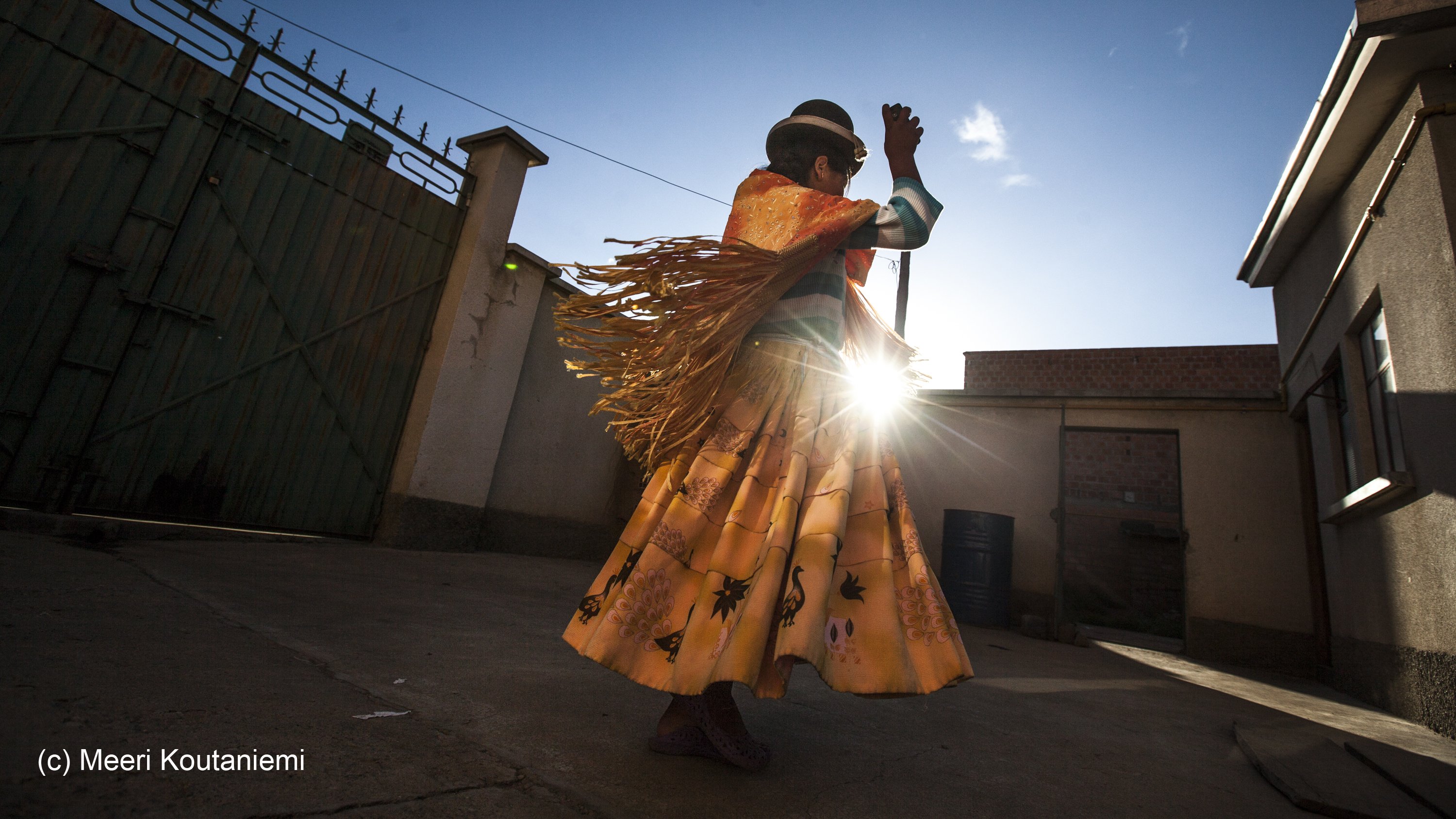
    The audience of this film will join the way of the new revolutionary time. We will see the concrete changes in the people lives, and the role that Bolivian women take in it. Also we will hear what remains of Che Guevara in the story. We will take a path crossing the moisture jungle and salt flat, the marketplaces of the cities and the coca fields, which are part of the millennium Indigenous culture and indeed coca leave is not cocaine.

    The nature of Bolivia becomes one main character: the Andean scenery, the lake Titicaca, Amazonia and the birds of the jungle, the sound of the wind, the colour-scheme of the rain and the landscape. Also, the colours in textiles, fruits, the sun, Bolivian folk- and popular music, voices in the city, songs of women, drums, pipes and horns of the bands.

    Almost half of the world’s lithium is found in Bolivia. In the law, Pachamama (Mother Earth) has the same rights as people and Evo Morales is fighting against climate change. How to combine the economical interests, like mining, with those rights?
    kuva 2

    Why this film needs to be made now?

    In the 2014 elections Evo Morales won the presidency for the third time with the 61% of the votes. The celebration of the revolutionary decade will take place in January 2016. Furthermore the director Jussi Oroza has been following with his camera the Bolivian political scene since 1993, establishing close relationships with the old and the new government.

    Latin America is going through changing times. The leftist movements are leading the fight against the global neo-liberalism. This film has hope and trusts in democratic power: another kind of world is possible. Europe is in a crisis in many ways, now it could be good for people to see how things are handled in the New World.
    kuva 3

    Production plan

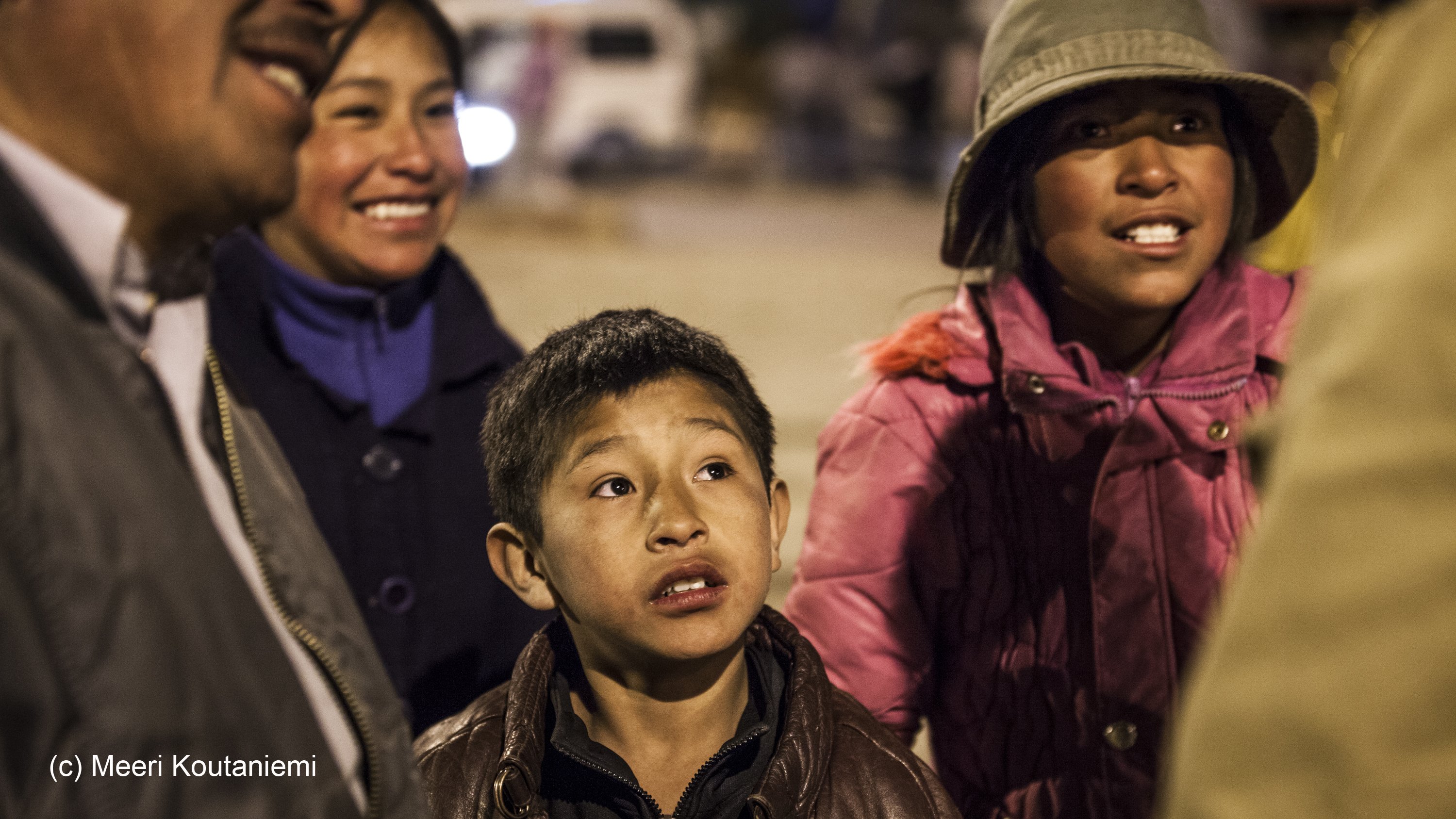
    The shooting of the film will be divided in two times. In the autumn of 2015 our small, but effective team will travel to Bolivia for ten days: camera operator, director and sound designer. They will spend time in villages and cities, to film the daily life of the locals and to find and get to know well the main characters of the film.

    The second part will take place in January 2015, counting on a larger film crew and bigger technical equipment. We are going to follow the lives of the chosen characters. We will arrange interviews with ministers, the president of Bolivia and other politicians. Also we will include the voices of older and actual Bolivian politicians.

    In this new democratic Bolivia, also there are people against the power, who criticise the practices of the actual government. Those voices need to be heard as well. In addition, we will get access to archive documents and journalistic material. Therefore we will co-work with local Bolivian press. In 2006-2008 our team got to follow the reception of the president too.
    kuva 4

    Budget

    The minimum of funding that we expect is 20.000 Euros, as it follows.

    20 000€:

    Small-scale crew, TV-report style. This means 2 people team (Jussi Oroza and Sami Laitinen), taking the different roles: director, producer, camera operator, sound designer and editor.

    60 000€ (or more):

    Production crew three times bigger. 50% more of the total days of shooting. More soundtrack and archive footage.  More shooting of landscape and character’s stories. High artistic quality of the documentary film, in order to submit it to film festivals.

    We are aiming for more funding from other sources to achieve our goal. Join us!


    El manual para la revolución

    El manual para la revolución es un largo-documental sobre la revolución indígena de Bolivia, Evo Morales, Pachamama, Indios y gringos. Cuando el pueblo dice: ¡Ya basta!

    En 2006 Evo Morales fue elegido democráticamente como primer presidente indígena en la historia de Bolivia. Las primordiales promesas del nuevo gobierno fueron la nacionalización de los recursos naturales y el reconocimiento de los derechos de los indígenas, después de haber estado colonizados durante 500 años. El Movimiento al Socialismo consiguió enormes cambios sociales y mejoras, convirtiéndose en un sueño hecho realidad para los que han sido oprimidos hasta el momento.

    Nuestro documental cuenta la historia sobre los primeros pasos hacia una nueva era de indígenas izquierdistas en el poder. ¿Cuál es la situación ahora, cuando Bolivia ya lleva una década de revolución?¿ Cuáles han sido las verdaderas mejoras en la vida indígena? ¿Cómo se presenta el futuro?

    Somos un colectivo de profesionales del cine trabajando en colaboración con Inland Film Company: el productor y director boliviano Jussi Oroza, conocido por su última internacionalmente reconocida en IDFA 2013 y premiada producción documental “Voces de El Alto”, además de ; el productor Sami Laitinen, cineasta conocido por su último largometraje estrenado en los cines “Muutoksii”; la guionista Hanna Apajalahti, periodista y experta en Lationamerica; y la asistenta de producción Anna Recasens, con variada experiencia en coordinación de producción cinematográfica, incluyendo una de las últimas obras de Peter von Bagh.

    kuva 1

    El espectador se encuentra en el mismo camino de esta revolucionaria nueva era. Observaremos los cambios concretos en la vida de estas gentes y la participación de las mujeres bolivianas en la causa. También escuchamos el rol de Che Guevara en esta historia. Viajaremos a través de la selva, salares, mercados de la ciudad, ya también los emblemáticos campos de coca, símbolo milenario de la cultura indígena, distinta a la cocaína narcótica.

    La naturaleza de Bolivia toma un rol especial: el paisaje andino, el lago Titicaca, el Amazonas y sus pájaros, el sonido del viento, la lluvia, etc. También nuestra cámara captará los colores de los tejidos, las frutas, el sol, la música popular, las voces de la ciudad, el canto de las mujeres, los tambores de las orquestras, de las flautas y las trompas.

    En Bolivia se encuentran los salares de litio más grandes del mundo. En la nueva ley, Pachamama (Madre Tierra) recibe los mismos derechos humanos que la población boliviana, además Evo Morales intenta combatir el alarmante cambio climático. Pero,  ¿cómo es posible combinar esta dimensión del Pachamama con los intereses económicos de la explotación minera en  Bolivia?

    kuva 2

    Por qué se debe realizar este documental ahora?

    En el año 2014 Evo Morales ganó las elecciones por tercera vez con un 61% de los votos, tomando su presidencia en enero del 2015. La celebración de los diez años de revolución tendrán lugar en Bolivia en enero del 2016. Además, el director Jussi Oroza lleva filmando los movimientos políticos de Bolivia desde 1993, y mantiene cercanas relaciones con el viejo y el nuevo poder boliviano.

    América Latina pasa por una era de cambios. Los movimientos de izquierda toman la lucha en contra del neo-liberalismo global. Esta película confía en el poder de la democracia: otro distinto mundo es posible. Ahora Europa está viviendo una crisis, es momento de observar como se tratan las cosas en este nuevo mundo.

    kuva 3

    Plan de producción

    El documental se filmará en dos partes. En otoño del 2015, nuestro reducido pero eficaz equipo de rodaje viajará a Bolivia durante 10 días: cinematógrafo, director y sonidista. Filmarán el día a día de pueblos y ciudades, para encontrar a los protagonistas del documental y sus historias.

    La segunda parte del rodaje tendrá lugar en enero del 2016, con un equipo de rodaje y de producción mayor. Continuaremos filmando las historias de los personajes que seleccionamos en el primer rodaje. También planeamos hacer entrevistas a ministros, al mismo presiente y otros políticos. Además entablaremos amistad con políticos bolivianos actuales y ya retirados para conocer su punto de vista.

    En la Bolivia democrática también existen detractores del poder que critican al gobierne actual y sus prácticas. Por lo cual esta voz debe ser escuchada.  Además nos documentaremos con material de archivo, tanto histórico como periodístico. También trabajamos en cooperación con la prensa local boliviana. Entre 2006 y 2008 ya tenemos filmaciones de la época en que tuvo lugar la recepción del presidente al poder.

    kuva 4

    Presupuesto

    La financiación mínima a la que aspiramos es de 20.000 euros.

    20 000€:

    Rodaje limitado, estilo TV- reportaje. Eso significa que dos profesionales (Jussi Oroza y Sami Laitinen) se reparten los roles de director, cinematógrafo, sonidista, editor y productor.

    60 000€ (o más):

    Tres veces más grande el equipo de producción descrito anteriormente. Un 50% más del total de los días de rodaje. Más banda sonora y material de archivo con derechos. Mucho más material de seguimiento y escenarios. Calidad artística elevada, propia de documental apto para participar en festivales de cine.

    Además se busca financiación de otras fuentes para asegurar nuestra meta. Únete a la causa!
  • New Run – Pekka Hyysalo

    New Run – Pekka Hyysalo

    Making the documentary is very important for Rovaniemi-based company Flatlight Creative House, and especially for director Miikka Niemi. Miikka was shooting a freestyle skiing film when Pekka’s accident happened right in front of his eyes. This ended both the shooting of the film and Pekka’s successful freestyle skiing career. Miikka says, “It’s really important to tell Pekka’s story. His positive attitude and determination will encourage everybody to push their personal limits.”

    Five years ago, 20-year-old Pekka wanted to become the best freestyle skier in the world. His life and future plans were all about freestyle skiing. The story of this young man’s recovery from a brain injury inspired not just the freestyle skiing community, but others, too. In this documentary we want to show the last five years of Pekka’s remarkable turnaround, and talk about his future. We want people to see a side of Pekka’s story that they haven’t yet seen in the media. We have already shot a lot of material for New Run, but there are still many scenes to be filmed.

    We would like you to join us on this journey, and help to make this documentary a reality. With the campaign at Mesenaatti, we will fund the screenwriting process, development, and post production of the documentary. Our plan is to make this film internationally renowned and an inspiration for all, and tell Pekka’s story from a different point-of-view.

    By joining the crowdfunding campaign and spreading the word you will help us on our journey!

    We warmly thank everyone for joining our campaign!

    Flatlight Creative House crew

    www.flatlight.fi

    www.facebook.com/flatlightfilms

  • Have you heard?

    Have you heard?

    Overview

    How can you tell a story? What means and methods will you arm yourself with? What will happen if the story is simply set free to wander with no final destination and no medium? This project is a research on public urban environment, on storytelling and on Story as an independent, living and developing substance. We aim to create an immaterial piece of art, living in the imaginary of the urban community: a narrative, shared and experienced in the life of the polis.

    The project incorporates various forms of visual, media and performing arts, implemented through a series of interconnected interventions developing in time in different real spaces with local input. Altogether they tell a story of the characters from different backgrounds meeting in Edinburgh.

    The project is carried out by our team of four people: a filmmaker, a sound designer, an environmental designer and a producer. We aim to involve in our project the local community and local artists who would enrich and develop our story. As a wrap-up, we will present a documentation of the work we developed, in a form of documentary and photography exhibition.

    Objectives

    The main objective of the project is to create a narrative in scope of conscience of a city, experimenting with different methods and scales of storytelling and to observe the life-cycle of a certain story incorporating as many art forms as possible. Our objective is, through a series of art interventions, to tell a story to a city. A story of fictional characters that inhabit the same space as its citizens. We aim to tell people about our characters, as if they were real people we once heard about. On the other hand, we also focus on the content of our story and the artistic statement we claim through it.

    Our narrative focuses on the life of the contemporary generation of immigrants and respective issues of the adaptation to a new place. Another important aim we set is making contacts for further collaboration with the local art community of Edinburgh.

    The Story and Characters

    Two immigrants arrive to Edinburgh, losing themselves in a foreign city for the first time. As they arrive, they try to adapt looking for a place to call home. As they explore the city, they learn about it, and start creating within it, mingling with other people on the same conditions and, at last, finding each other. The narrative starts from different directions, from the places in the world where the two characters are from. It describes their backgrounds, origins and lifestyles and eventually brings them together. Step by step, the story is being enriched by new characters and details.

    The methods of visualization and narrative of the story subtly integrate all the characters and events with everyday life of the city, make them present and known in the conscience of the citizens. Each character becomes “a friend of a friend” or “someone I have heard of”. This kind of narrative is akin to a gossip or an urban legend. This story is a celebration of the multicultural world, not in a big scale, but in a minor, personal scale, a manifestation of an individual becoming bigger than the weight of his culture, becoming a citizen of the world, of finding love, passion, and friendship, while being lost and in search for himself in a strange place.

    How we tell the story

    We want to experiment on how to inscribe a story into the imaginarium of a social space. How can we imprint a story into the life and culture of a given population? The main objective of our work is a social intervention, aiming to reach a point where the collective mind of Edinburgh (or a part of it) has met the characters, has heard about them, knows about their existence, just as if they were real people.

    A story is immaterial, it exists in mind only. The narrative does not depend on the physical devices, they only exist to manifest it, to bring the characters to life, afterwards, they live in the conscience of people, the conscience of the city. The story is imprecise, like a fable, where everyone adds details of their own, it evolves organically.

    Our idea is to create several art interventions, taking place in different real-life places of Edinburgh, telling little bits of our story, developing it within time, adding new elements, evolving the life of the characters, from space to space, from day to day, into the mind and life of the city. It can be followed, it can change, it can be molded by real people. These interventions can take different form, from plastic arts to stage arts, the sole objective is to spread the story.

    This concept leaves an open door to work with local artists in order to engage them in the project. The community can take part as an audience, as well as a storyteller, being welcome to write the lines of these two lives, to use new methods to spread the word, to intervene in-between the story and the social context, acting as a buffer, the intermediary between the two.

    Methods and Technics

    We plan to build several artistic interventions on the city, being prepared to work with different artists from Edinburgh, but also to work individually, leaving our ideas completely open to change or reinvention. Our main idea is to integrate media art in space, creating artistic installations in real living spaces. These interventions have at aim to tell stories, or simply fragments of stories, introduced through performance, video, sound, interior installations, street art and in other ways. We aim to combine our expertise in environmental design, video storytelling, sound design and art production to work with specific public spaces of Edinburgh, avoiding to be disruptive to the space, but staying discreet.

  • Awra Amba kokemus

    Awra Amba kokemus

    40 vuotta sitten Etiopiassa, keskellä maailman köyhintä maaseutua, nuori maanviljelijä nimeltä Zumra päätti perustaa ihanneyhteisön. Hänen kylässään kaikki ihmiset ovat samanarvoisia sukupuolesta, uskonnosta tai etnisyydestä riippumatta. Nämä ajatukset eivät kuitenkaan heti saaneet kannatusta konservatiiviessa ympäristössä ja vuosikausia Zumraa vainottiin ja kylään hyökättiin. Mutta nyt Awra Amba-yhteisö on vihdoin saanut hyväksynnän sekä valtiolta että lähikylän asukkailta. Viime aikoina kylästä on kehittynyt tasa-arvon ja kestävän kehityksen esikuva.

    Esitämme ylpeinä käynnissäolevan tuotantomme – Awra Amba Kokemuksen. Se on tarina muutoksesta, rohkeudesta ja toivosta, jonka kerromme yhdessä Awra Amba-yhteisön kanssa interaktiivisessa dokumentissa.

    Virtuaalikylään voi tutustua omalla kotikoneella tai tabletilla, 360° panoraamakokemuksen kautta. Yhteisön tarinat avautuvat lyhyissä dokumenttielokuvissa ja multimedia-artikkeleissa, jotka löytyvät 10 virtuaalimajan sisältä.

    Elokuvissa käsittelemme 10 teemaa, jotka toimivat myös ponnahduslautoina keskustelualustalle. Teemat ovat:

    1. Tasa-arvo
    2. Koulutus
    3. Terveydenhuolto
    4. Usko ja rauha
    5. Perhesuunnittelu
    6. Demokratia
    7. Omaehtoinen kehitys
    8. Kestävyys ja ympäristö
    9. Vanhustenhoito
    10. Hyväntekeväisyys

    Olemme seuranneet tätä kiehtovaa tarinaa jo lähes 10 vuotta. Olemme vaikuttuneita kylän kekseliäisyydestä ja sinnikkyydestä ja uskomme, että meillä kaikilla on jotain opittavaa heiltä.

    Jotta saisimme tämän kunnianhimoisen projektin valmiiksi syyskuuhun mennessä, tarvitsemme sinun apuasi.

    Keräämämme rahat käytämme 10 lyhytelokuvan leikkaamiseen, nettisivujen suunnittelutyöhön sekä äänimaailman ja muusiikin luomiseen.

    Ostamalla tuotteen verkkokaupastamme voit tukea hankettamme. Jo viidellä eurolla pääsee mukaan!

    Toivomme, että olet yhtä innostunut tästä projektista kuin me. Tule mukaan tiimiimme ja auta meitä kertomaan tämä mahtava tarina koko maailmalle!

    Kiitos.

    Paulina Tervo & Serdar Ferit

    Write This Down Productions


    Family

    Awra Amba uutisissa

    http://www.youtube.com/watch?v=ke1vSq0EJDE

    http://fifi.voima.fi/voima-artikkeli/2008/numero-7/village-people

    Liity myös Facebook-ryhmäämme:

    https://www.facebook.com/pages/The-Awra-Amba-Story/133243383400913?ref=hl

    tai rekisteröidy nettisivuillamme:

    http://www.awraamba.com/get-involved/

    Etsimme aina innokkaita avustajia, yhteisöjä, järjestöjä ja yhtiöitä jotka haluavat olla mukana jakamassa tätä tarinaa. Jos sinua kiinnostaa tulla meidän kumppaniksi tai lähettilääksi ota yhteyttä: info@awraamba.com


    The Awra Amba Experience

    started 31.1.2013

    ends 13.3.2013

    A utopian village in Ethiopia opens its doors to the world in a new interactive, web documentary.

    40 years ago, a young, illiterate farmer called Zumra, decided to start a utopian experiment. He set out to create an egalitarian village, based on peace and equality for all, in the poorest, most conservative part of Northern Ethiopia. Back then his ideas were met with violent opposition, but despite decades of attacks and threats, his village has become a model for sustainable development and gender equality across the country and beyond.

    We are proud to present our work in progress – The Awra Amba Experience – an interactive documentary produced in participation with the community. It’s a story about changing the world through courage, resilience and hope.

    Our project, which has been in production for over 2 years, explores the life and philosophy of the community in an immersive, game-like experience online, accessible on your own computer or tablet.

    The village can be explored virtually, in a 360 degree landscape. You can discover the life and stories of the community through 10 short films, and an array of images and articles, by navigating your way around 10 different interactive huts in the village.

    Each short film explores one of the following 10 themes, with a view to extend these into a discussion platform.

    1. Gender Equality
    2. Education
    3. Healthcare
    4. Faith and Peace
    5. Family PlanningDemocracy
    6. Aid versus Development
    7. Sustainability
    8. Elderly Care
    9. Charity

    We have been following this unique story for nearly 10 years. We are fascinated by the community’s creativity and resilience when it comes to change, and we think that people all over the world can learn from this amazing story.

    In order to complete this ambitious project by the end of 2013 we need your help.

    The money we raise will go towards editing 10 short films, completing the artwork, design and coding of the web experience and creating a sound landscape and music score.

    Please take a look at the variety of products we offer and get involved for as little as 5 euros. All contributions count!

    We hope you feel as excited about this project as we do. Join our team today and help us share this groundbreaking story with the world!

    Thank you.

    Paulina Tervo and Serdar Ferit

    Write This Down Productions


    Family

    Awra Amba in the news:

    BBC World News http://www.youtube.com/watch?v=ke1vSq0EJDE

    Voima lehti

    http://fifi.voima.fi/voima-artikkeli/2008/numero-7/village-people

    Join our Facebook group:

    https://www.facebook.com/pages/The-Awra-Amba-Story/133243383400913?ref=hl

    or sign up for news on our website:

    http://www.awraamba.com/get-involved/
    We are always on the lookout for enthusiastic people, communities, organisations or companies who would like to help us spread this story with the world! So please get in touch with us if you wish to become a project partner or ambassador: info@awraamba.com